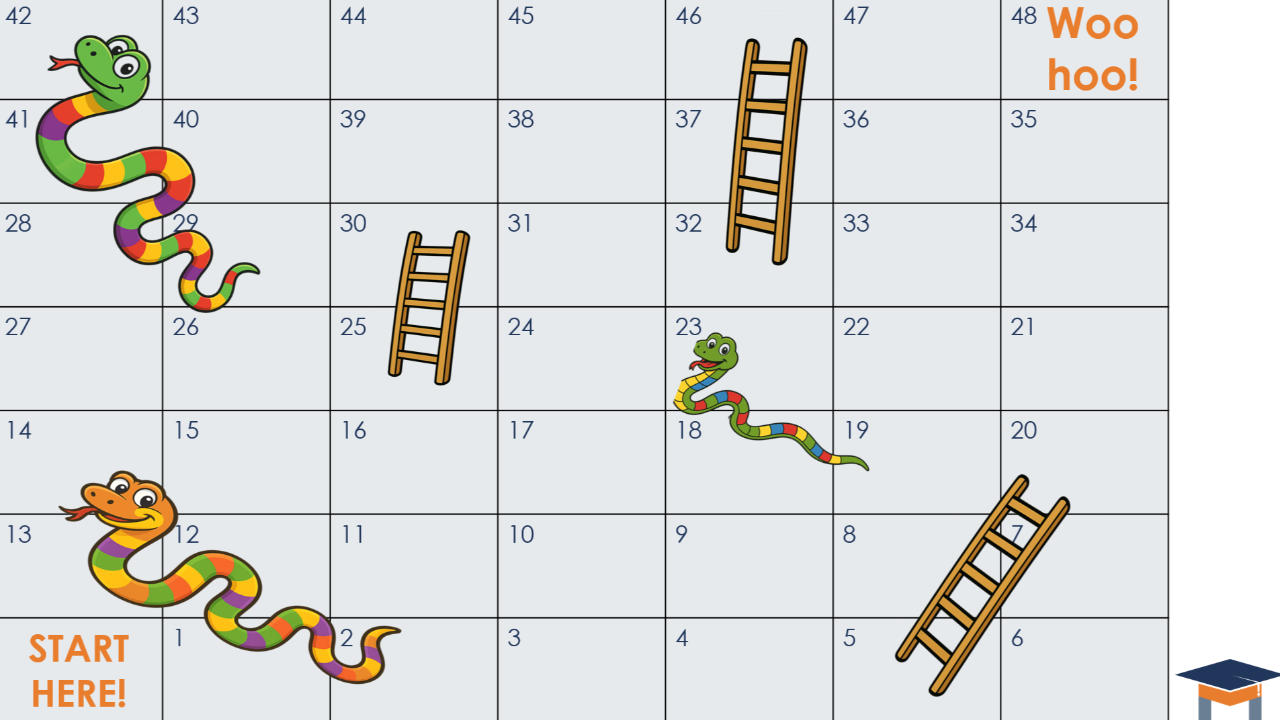
The classic Snakes & Ladders game for pairwork. Pupils test each other on a set list of vocabulary, shuffled up (maybe on cards).
Quite simply, a German template for Who Wants to be a Millionaire! Fully hyperlinked. You just need to add your questions and answers, so this can be used over and over again, and with any topic.
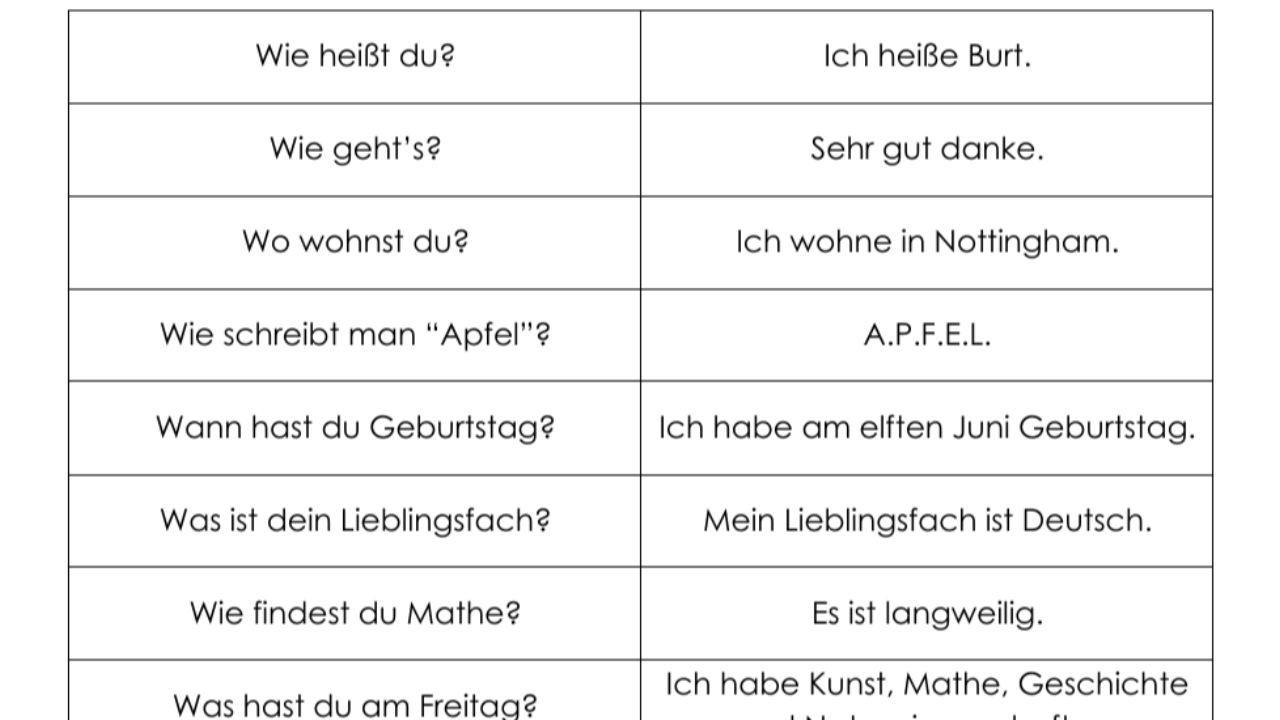
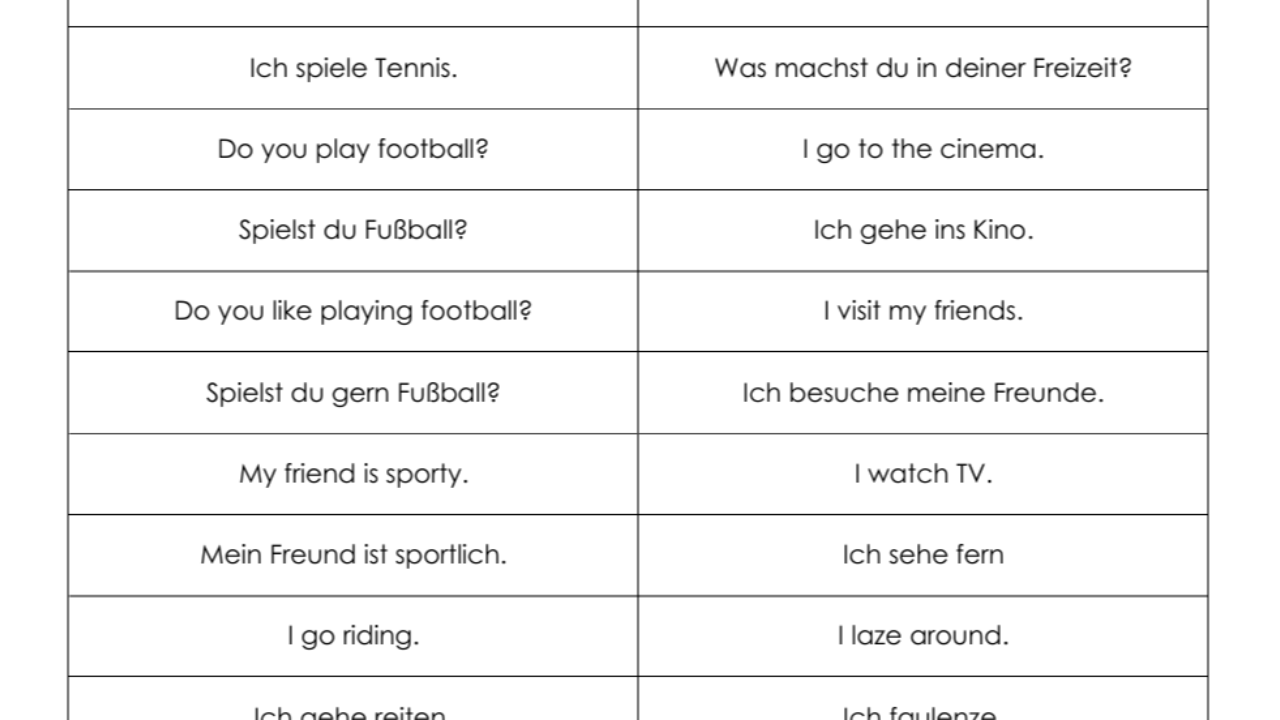
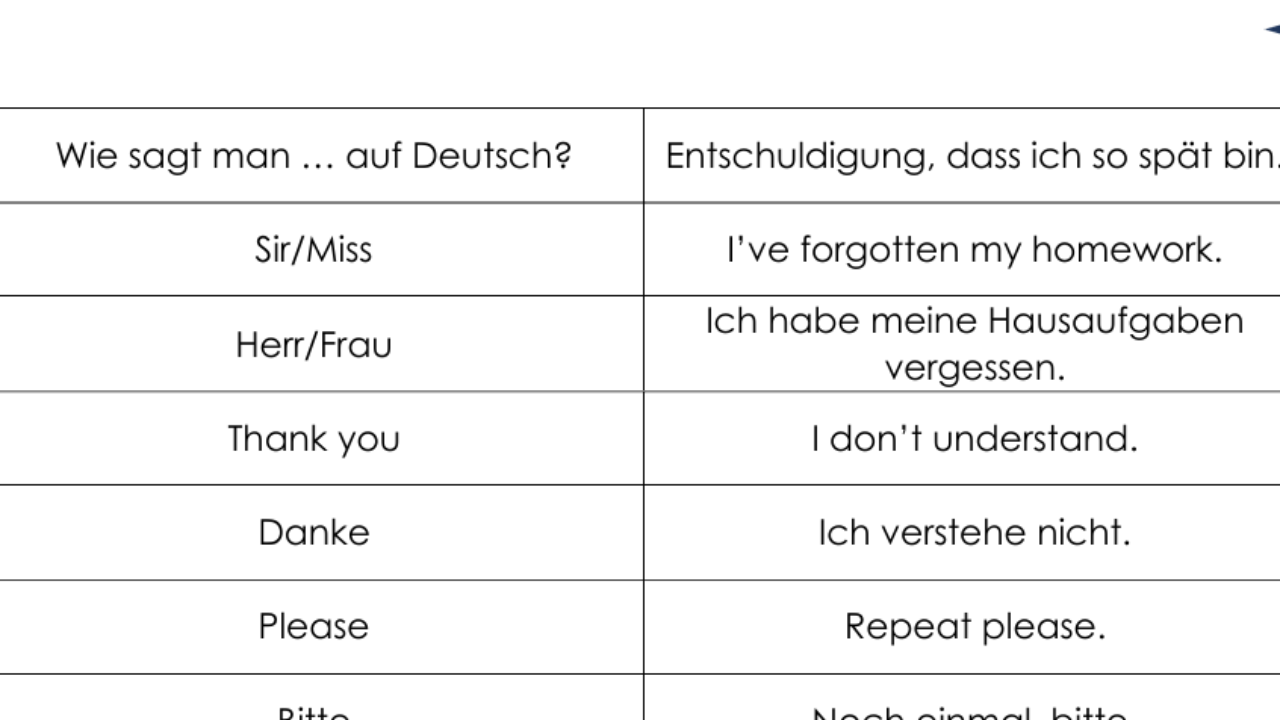
This is a simple dominoes matching activity. Pupils match the questions to the answers. Questions range from ‘Wie geht’s?’ to ‘Wie siehst du aus?’
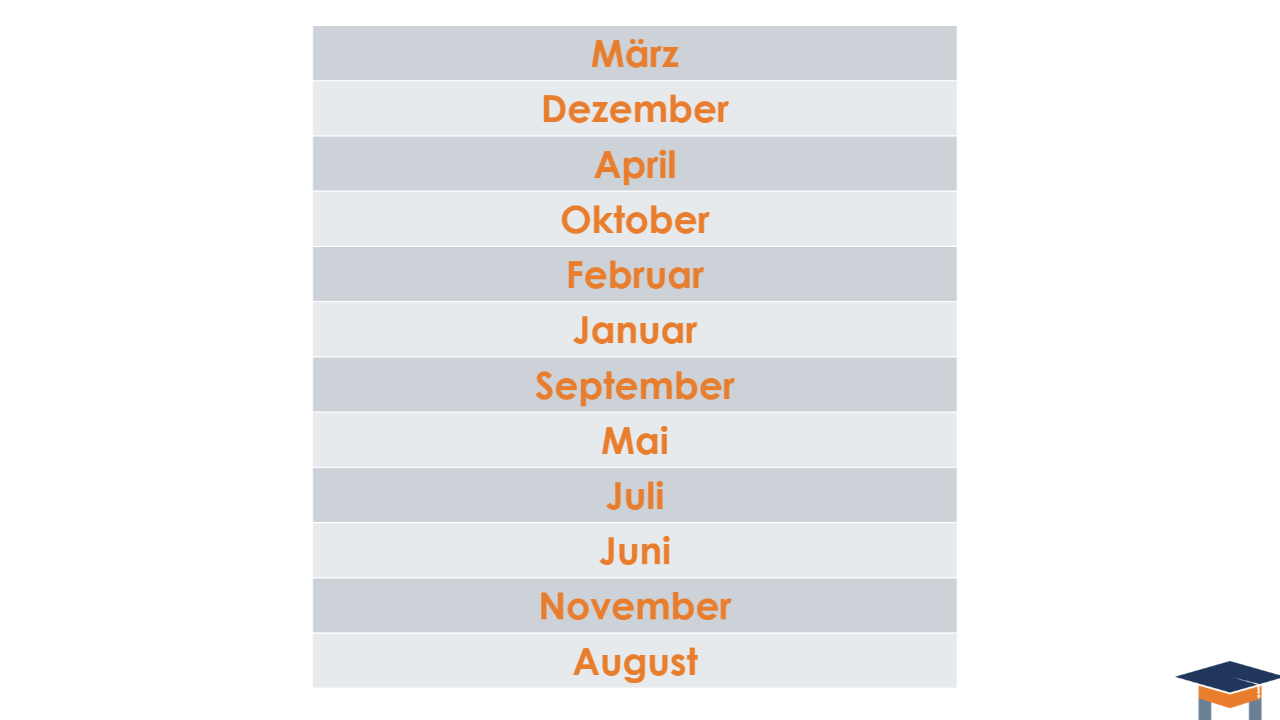
Pupils simply put the months into the correct order, using the idea of (near) cognates.
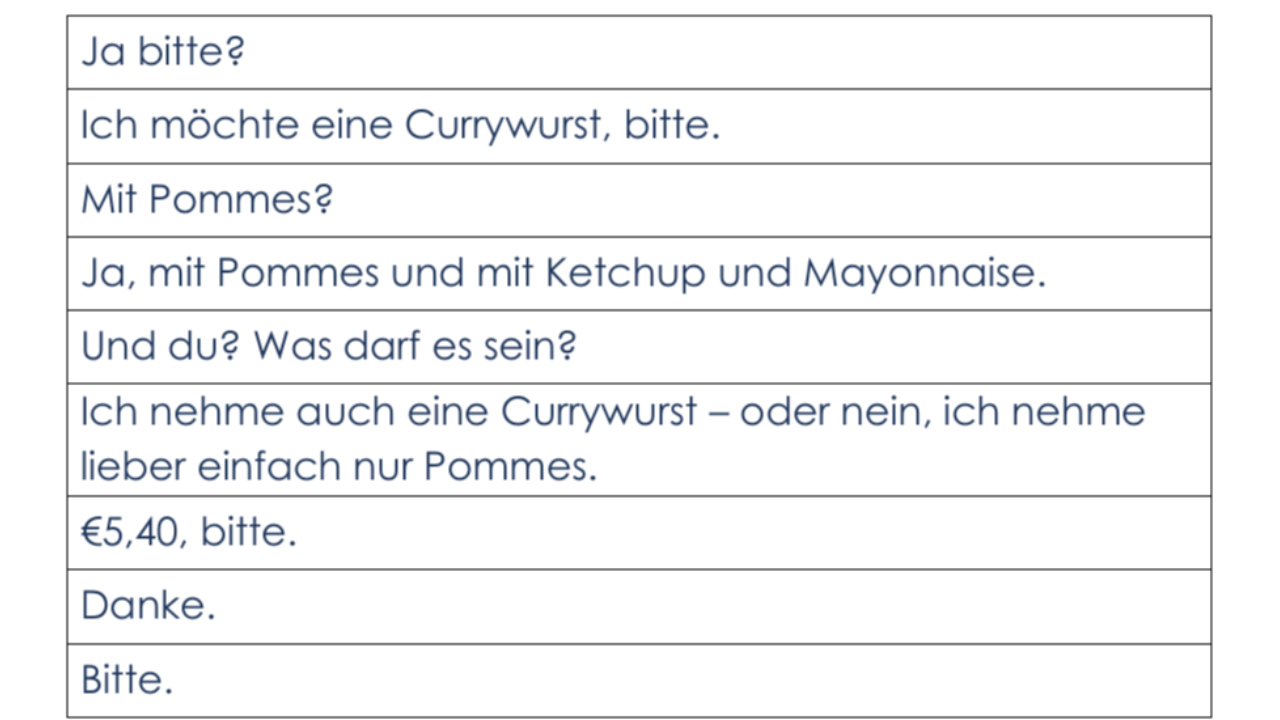
Pupils put the cut-up cards in order to complete the conversation (ordering food at a snack stand). There are 2 conversations.
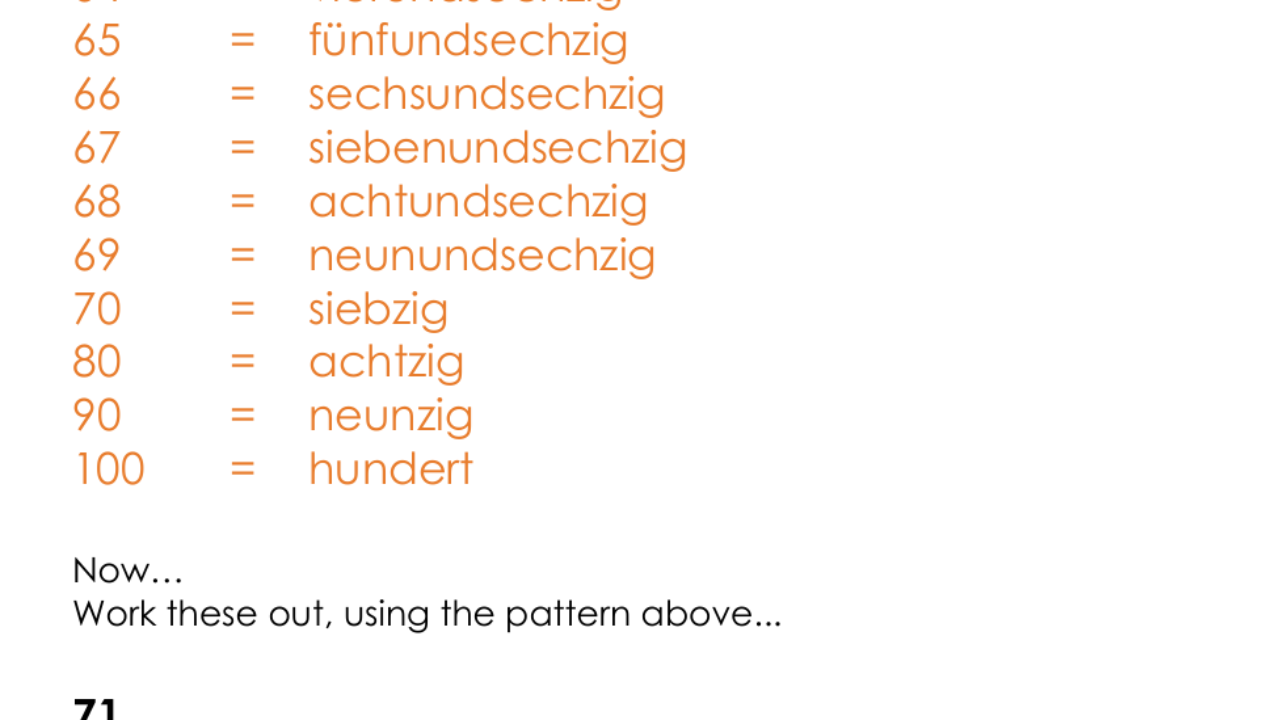
This worksheet has a few examples of higher numbers at the top and pupils must work out how to say a few more numbers in German, using the logic they have discovered from the examples.
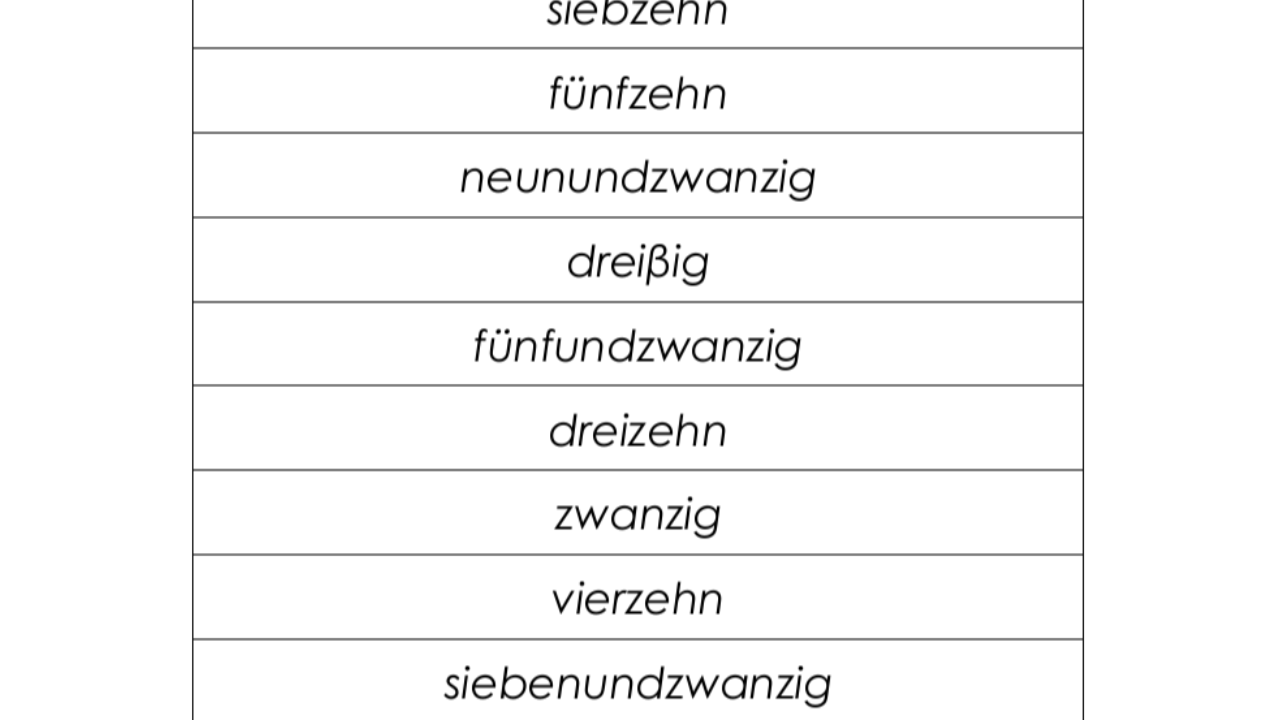
Pupils put the German numbers 13 to 31 (written in German) into the correct order.
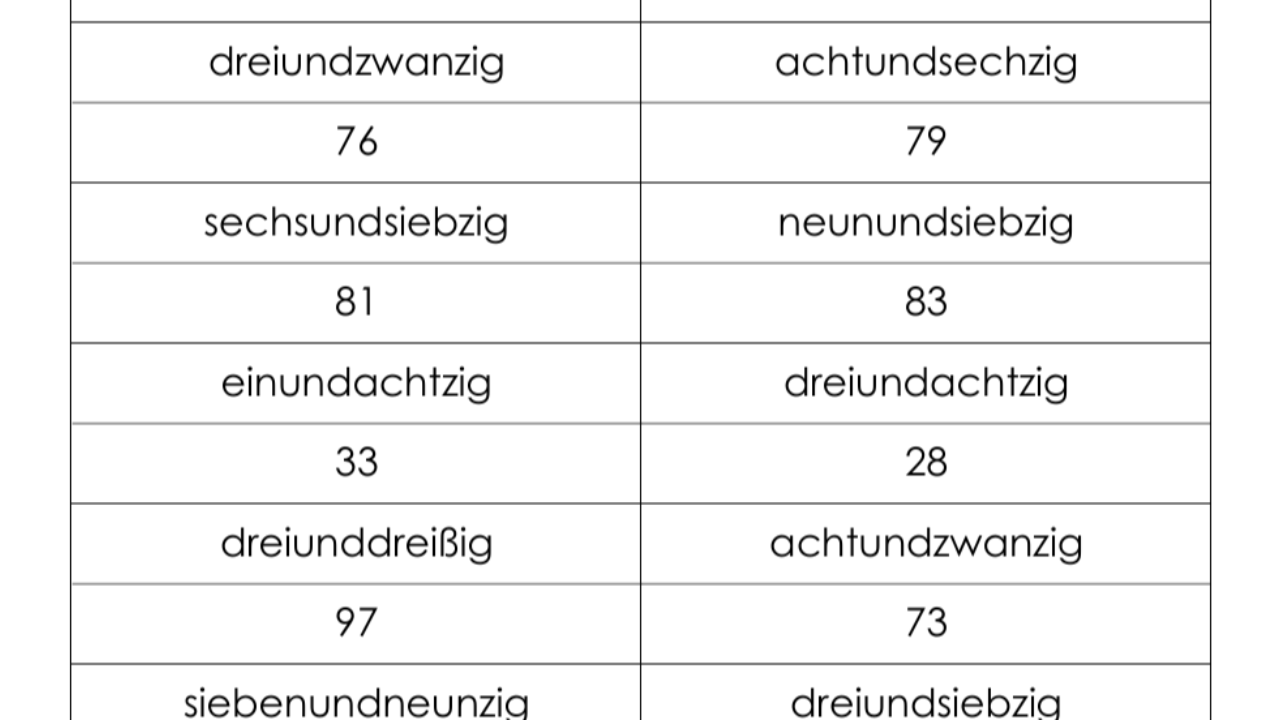
Class dominoes is a great way to get the whole class involved and to keep their attention! Full instructions are in the document.
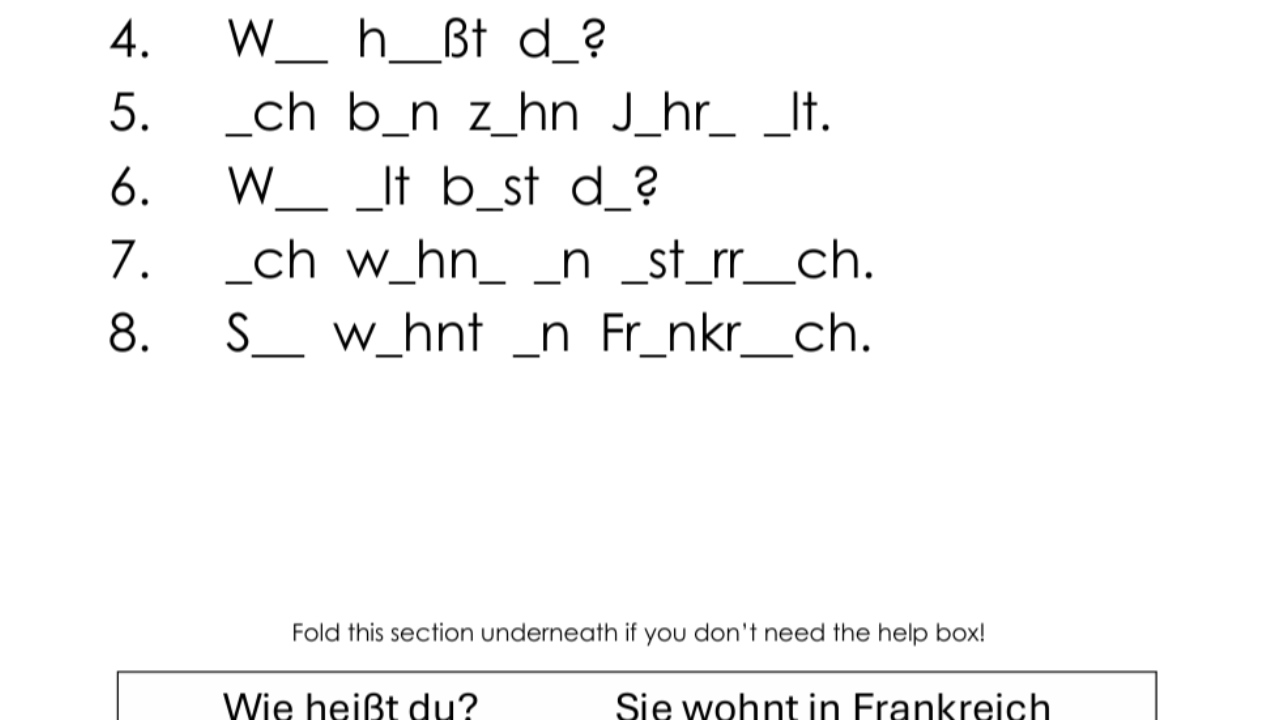
This worksheet is a simple practice of basic greetings (hello, where do you live, etc.). Pupils fill in the missing vowels. They fold under the bottom part of the sheet for added challenge.
Use this PowerPoint as a short practice activity or starter on the topic of directions. There are 3 directions phrases.
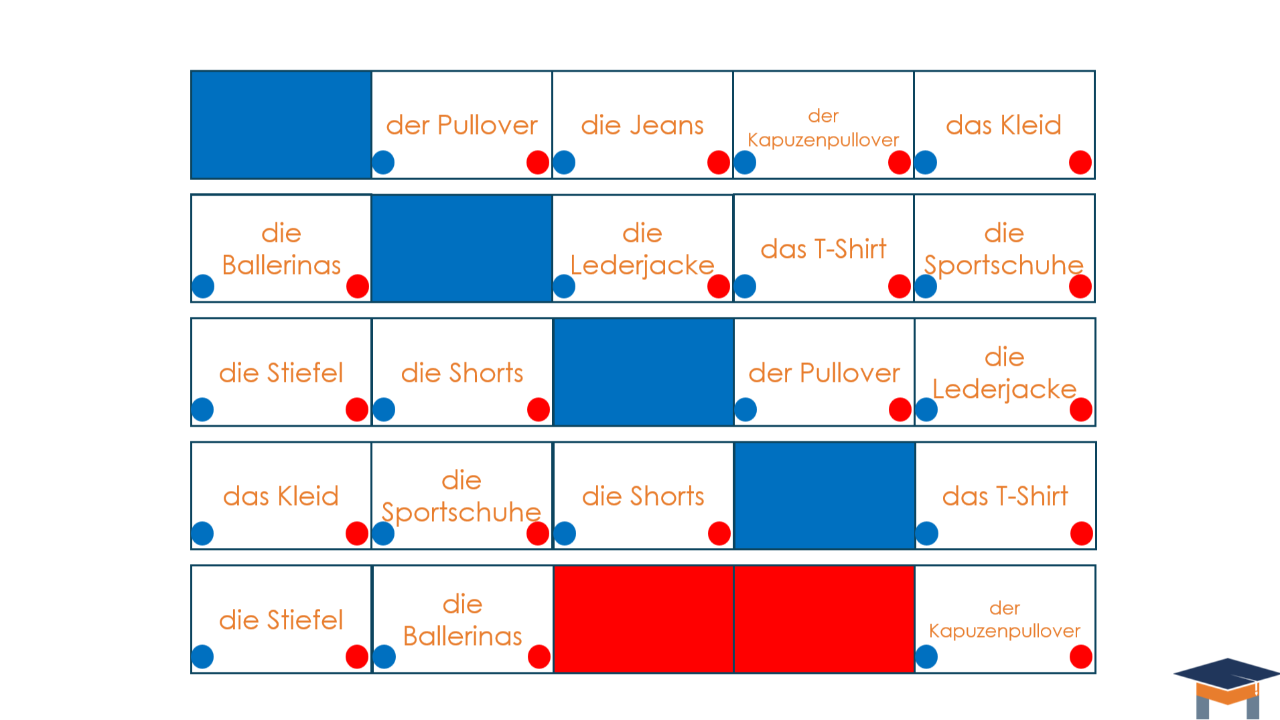
Pupils must get 4 in a row to get a point for their team. Click on the relevant colour to make the shape change to that colour.
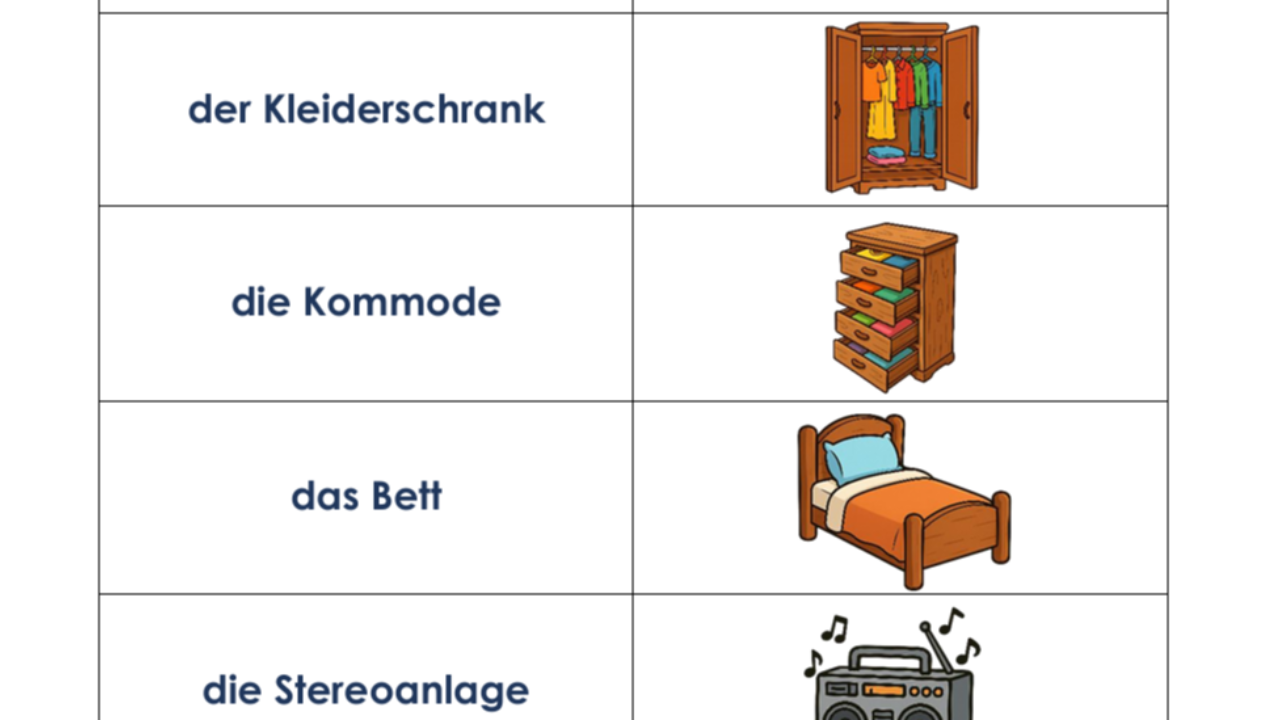
Simple dominoes sheet for practising German items in the bedroom. Simply cut up and go!
Use this PowerPoint to teach about using clues to recognise timeframes.
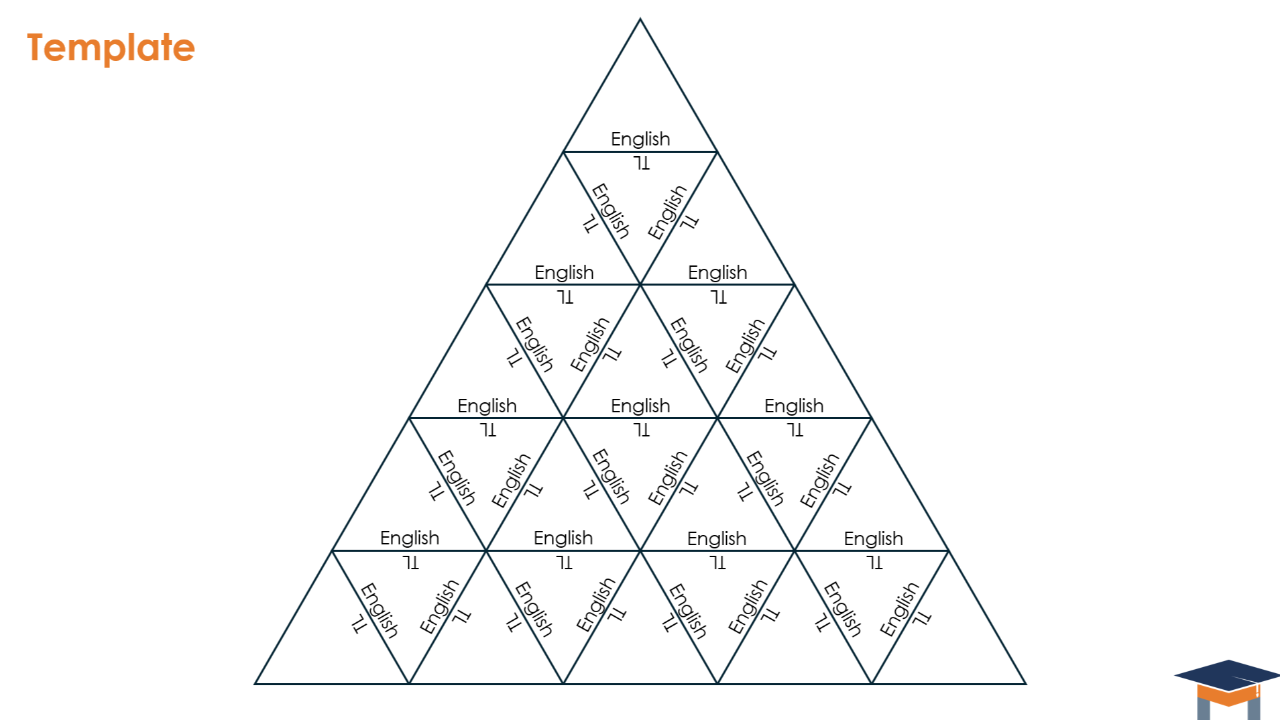
Pupils must form a triangle with the cards by matching the target language to the English. There’s an example, which is French numbers. Full instructions in the PowerPoint notes.
This activity can be done in pairs or as a class. It's a great way to practise speaking, pronunciation, etc. Full instructions in the PowerPoint notes.
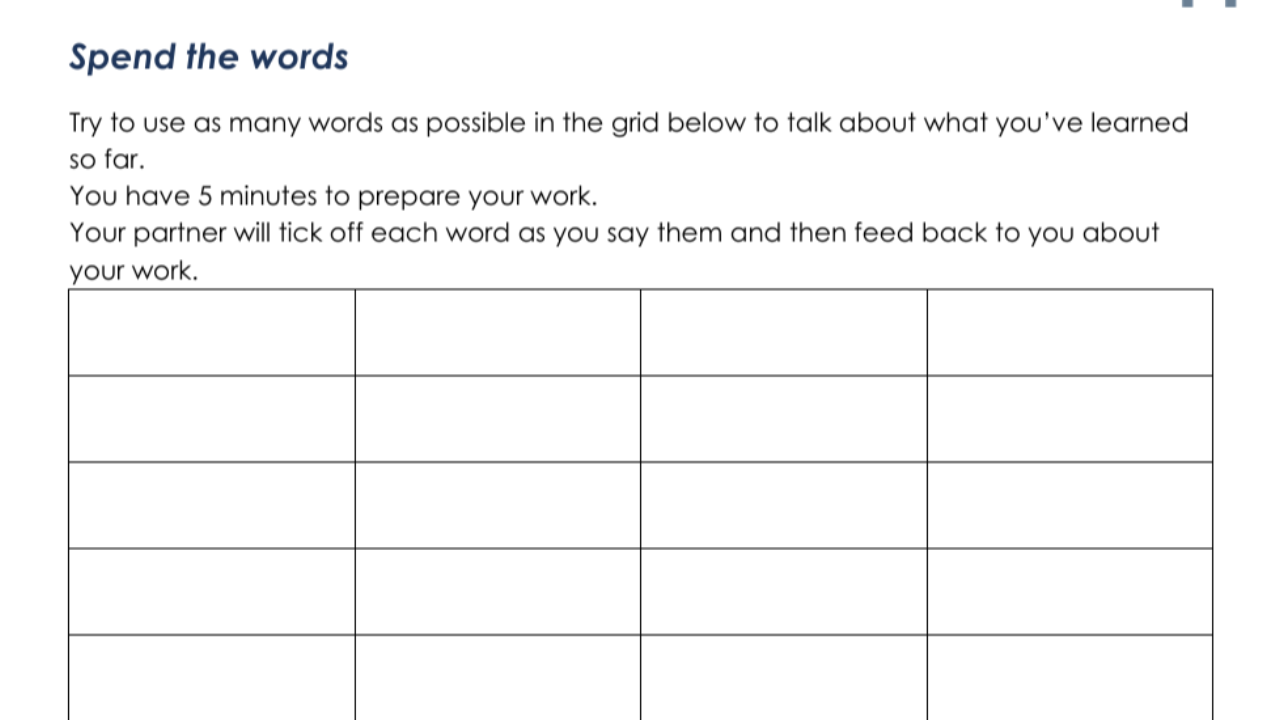
Enter words from the current or a past topic into the grid. In pairs, pupils must use as many of the words when speaking as possible.
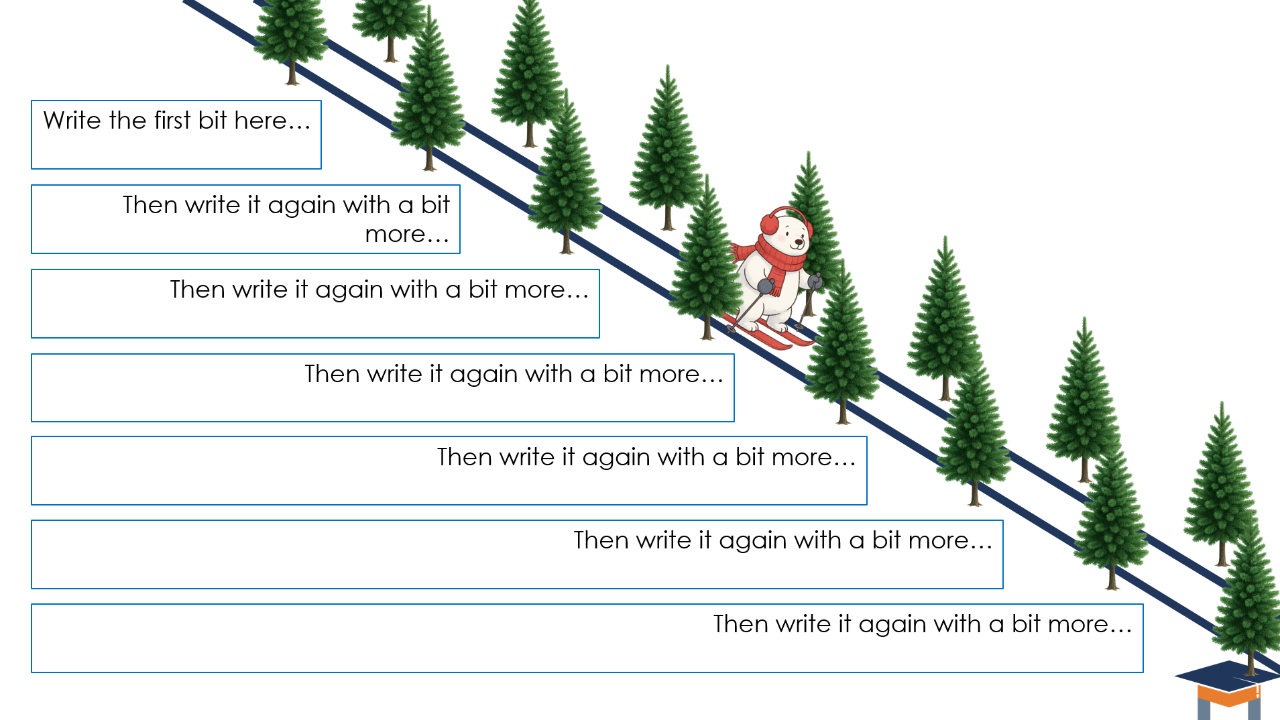
As pupils go down the slope, they start with a sentence starter and make the sentence longer and longer as they go, by adding opinions, justification, examples, etc.
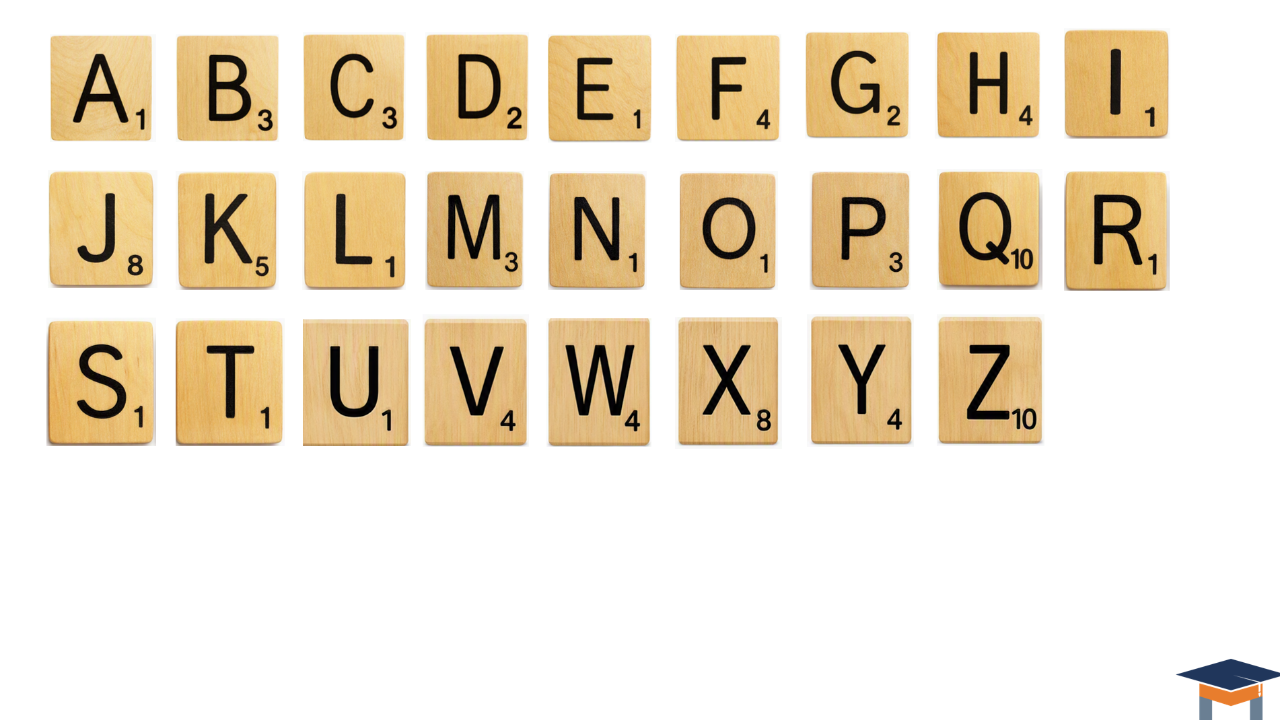
Use this as a starter activity. Pupils get the points on the tiles. Full instructions in the PowerPoint notes.
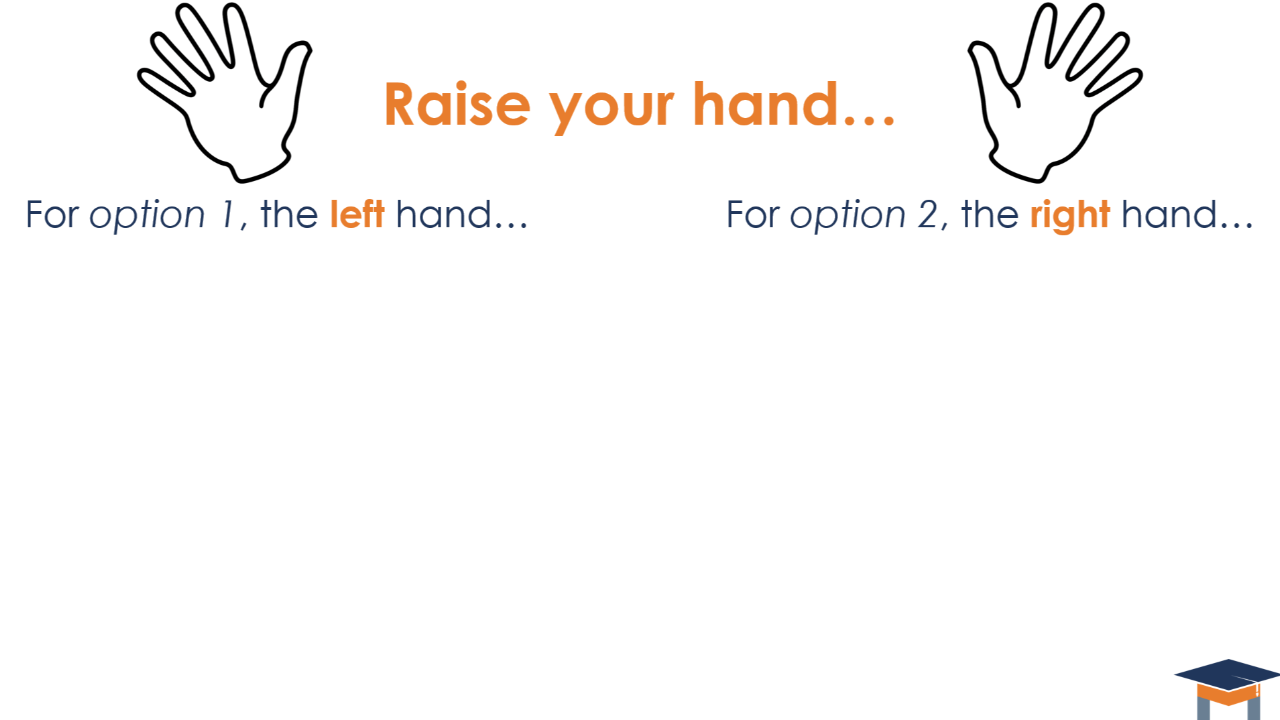
This is the ideal way to get pupils moving and to wake them up! Paste an image in the middle, give an option of the picture description in the target language on the left and on the right. Pupils raise the hand to show the correct option.
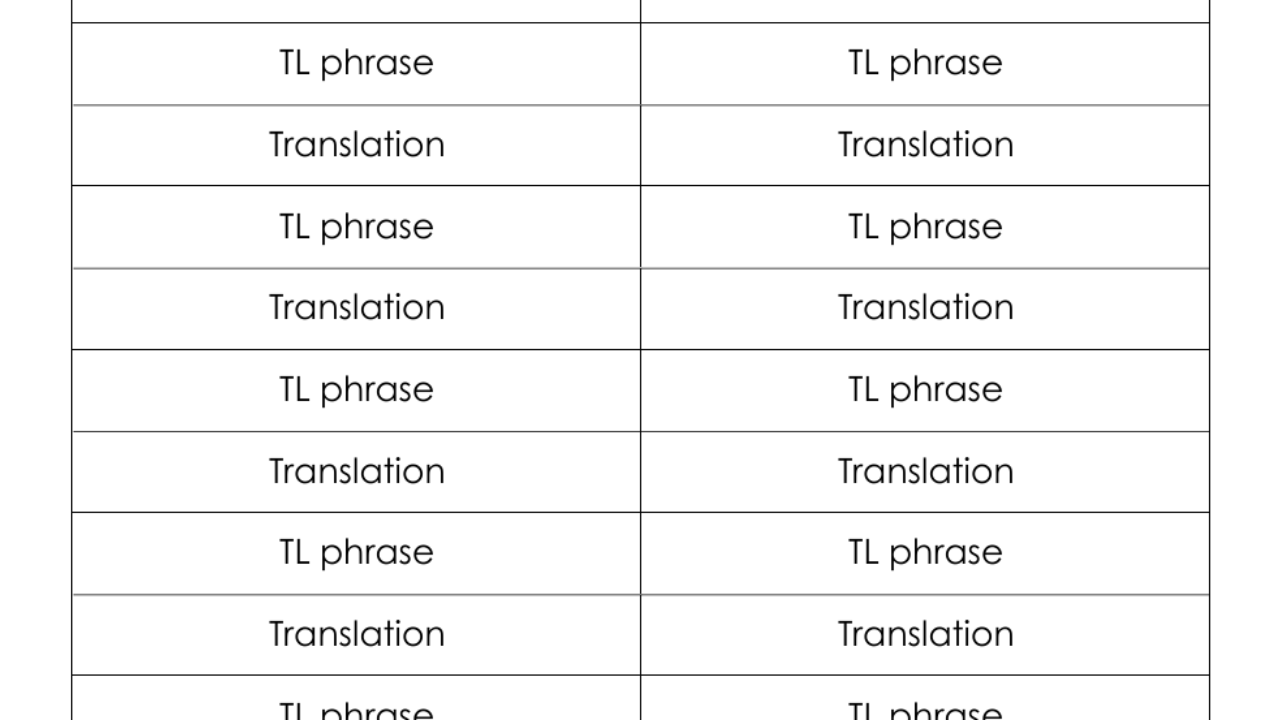
Template for the popular ‘Quiz-Quiz-Trade’ activity. Pupils wander around the room to find their equivalent partner (the pupil who has the translation of their card). Full instructions in the PowerPoint notes.
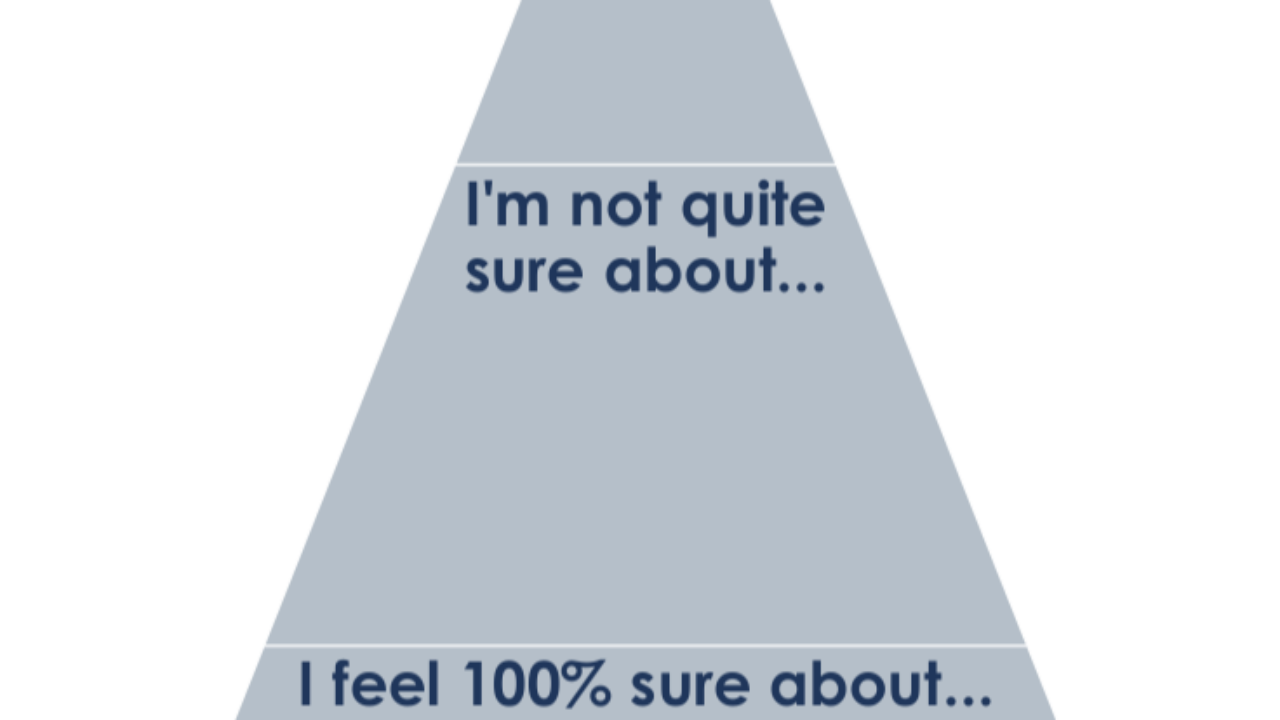
Very simply, a triangle divided into three parts. Pupils write in whichever section they wish, according to what they have learned in the lesson.
Throughout a lesson, pupils could fill in what they are learning into the outline of a brain. Great way to show progression.
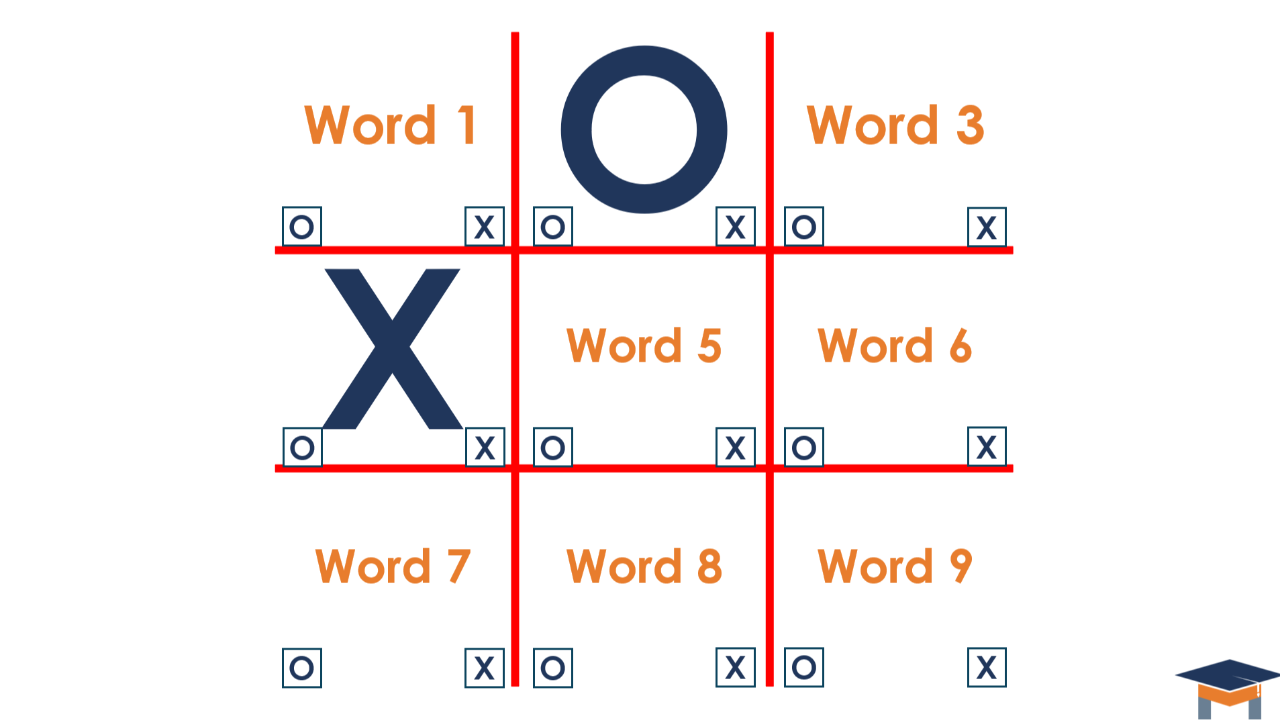
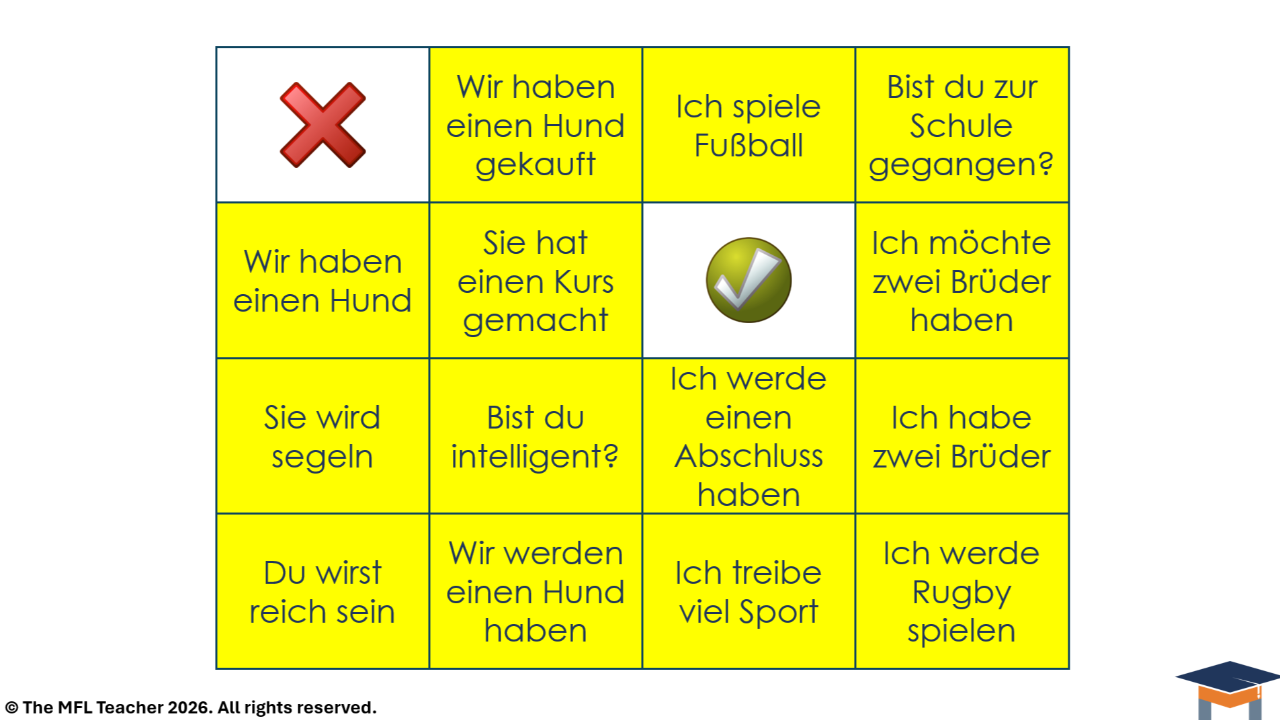
A simple game of noughts & crosses (tic tac toe) that can be adapted to any lesson content. Full instructions in the PowerPoint notes.
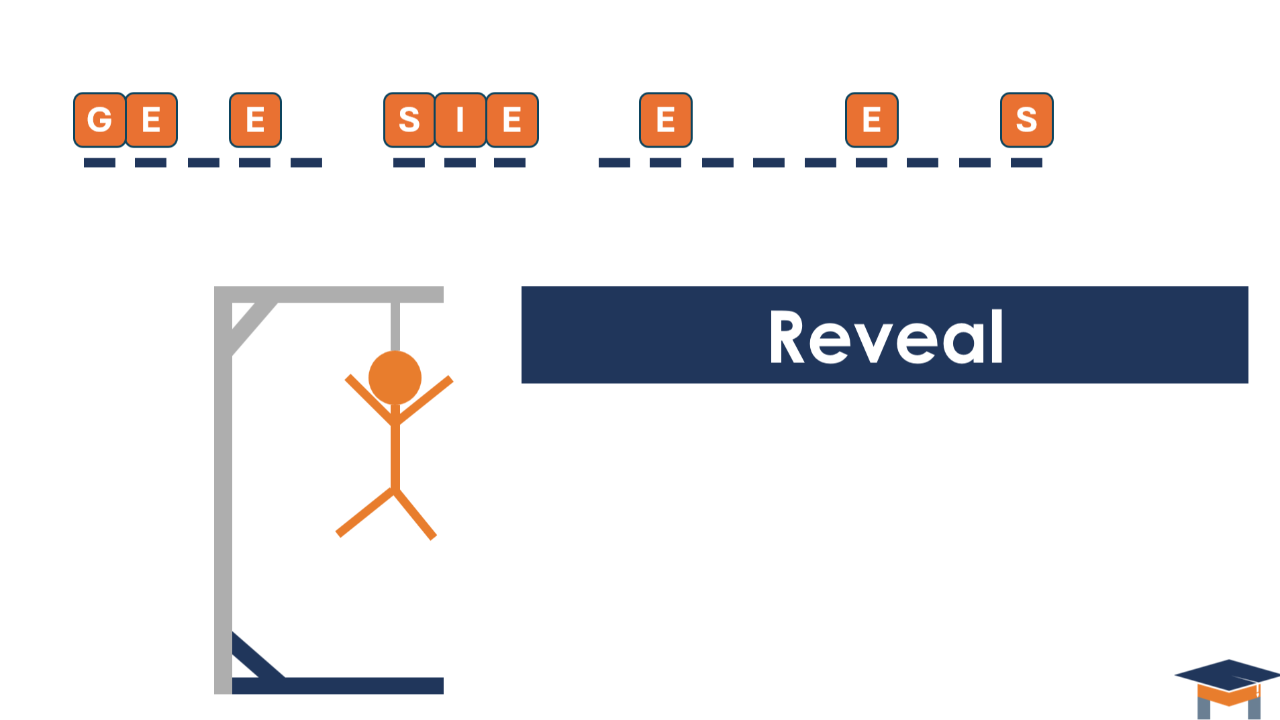
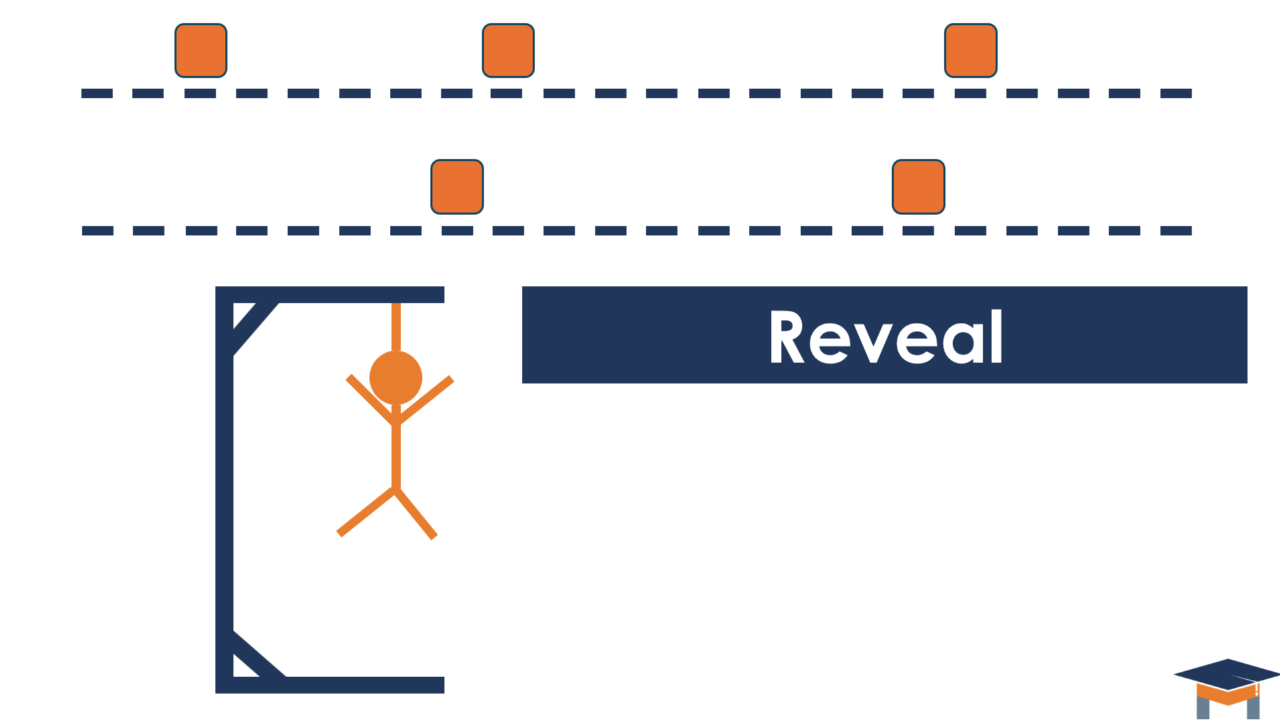
Use this PowerPoint to do a pre-prepared hangman starter. All instructions are in the notes section of the PowerPoint.
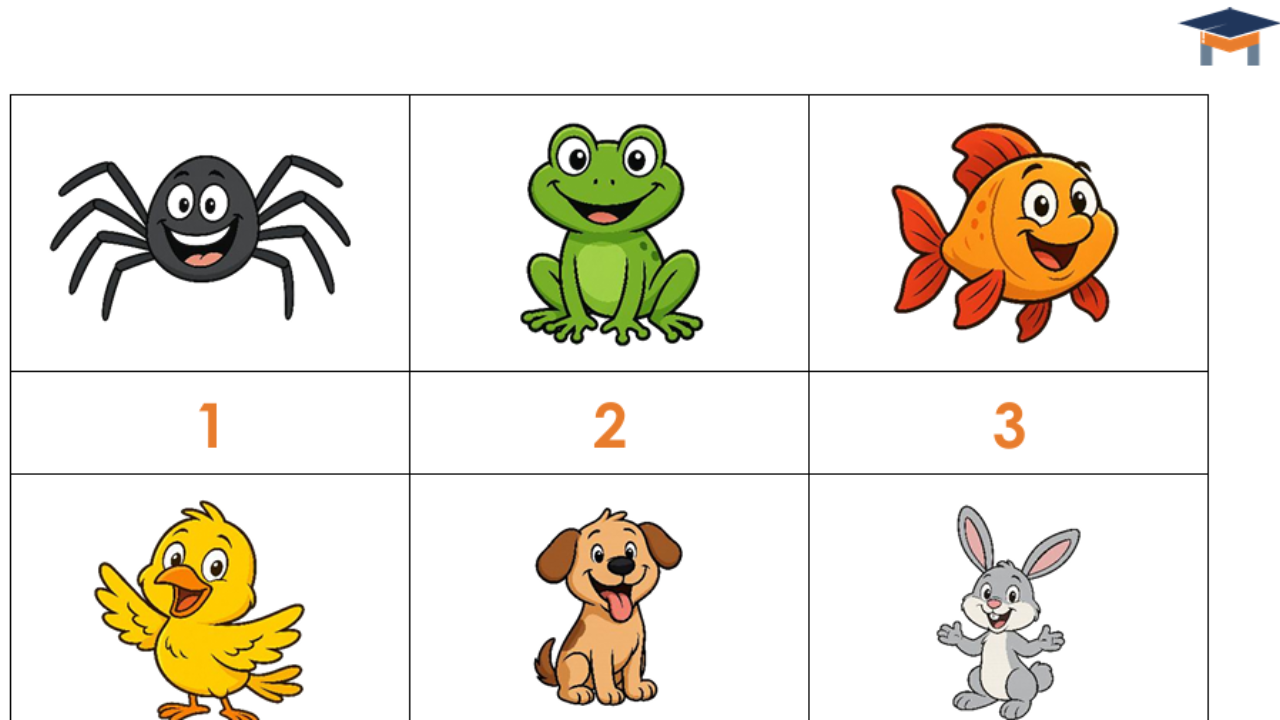
Use this to practise animals using a bit of maths! Full instructions are on the document.
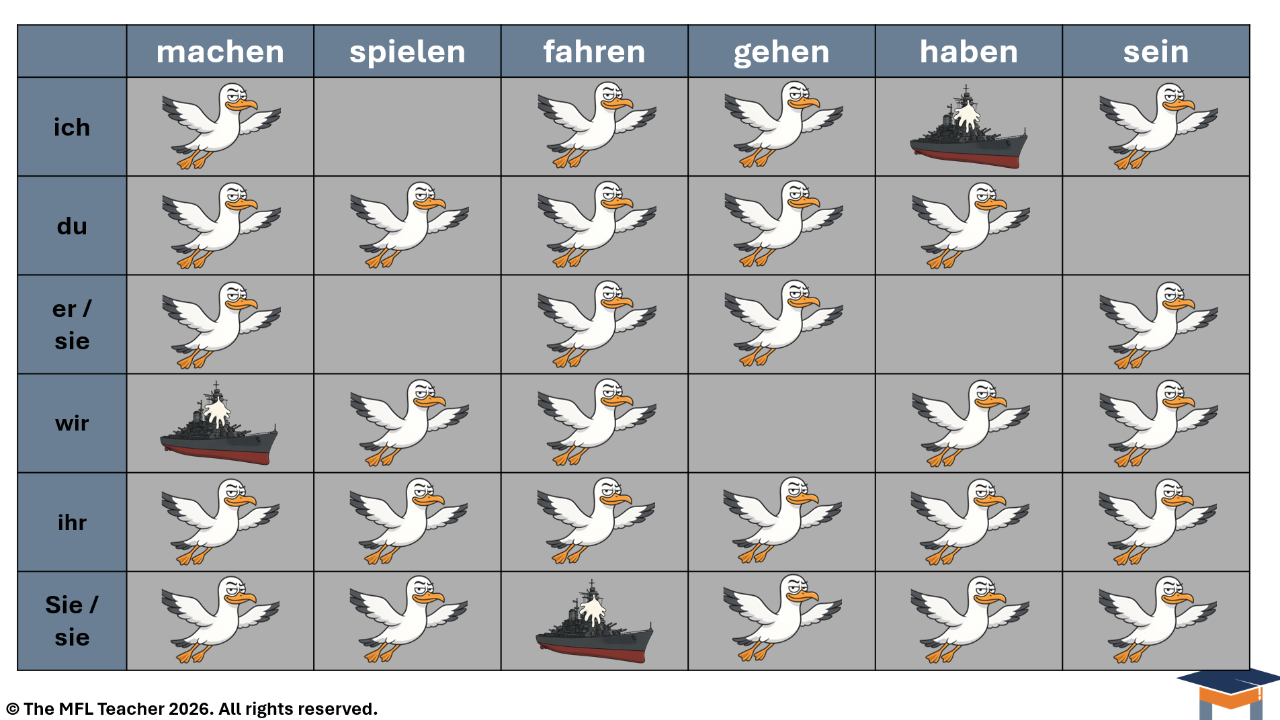
As a class, teams compete to make phrases in 3 tenses to find the battleships. Present, perfect & future included. Full instructions in the PowerPoint notes.
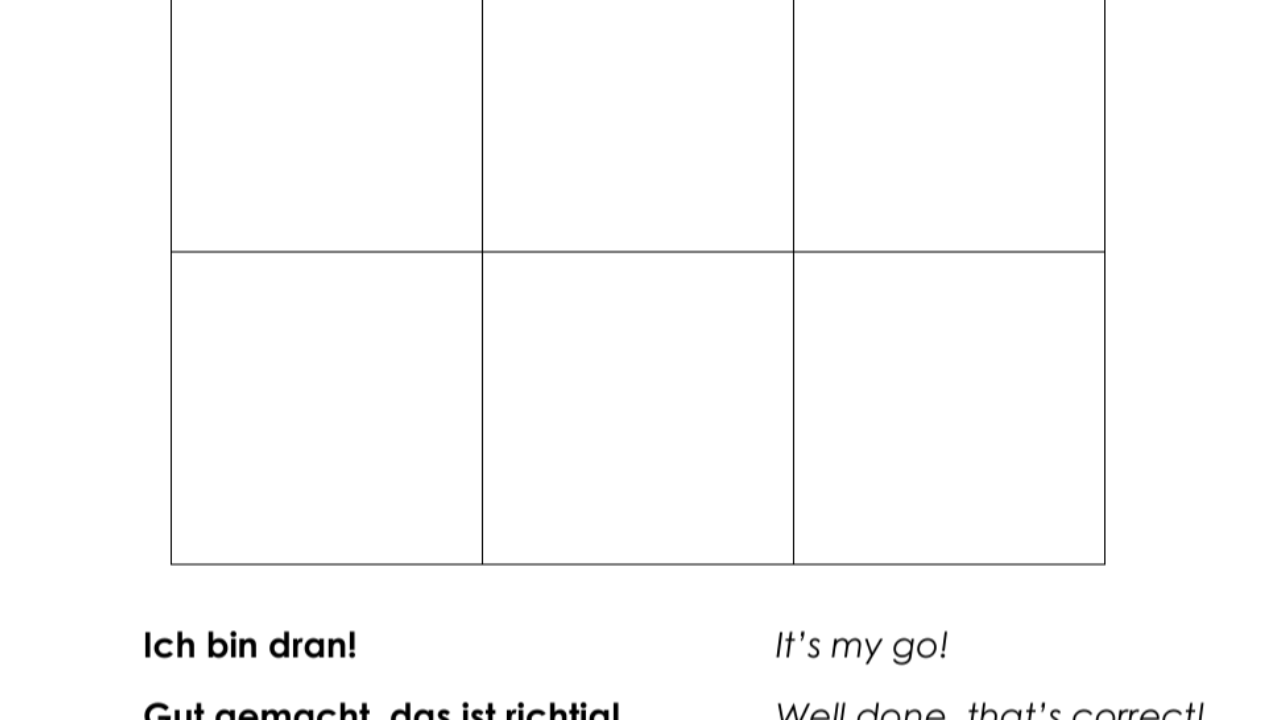
A blank grid for traditional Os & Xs game for pairwork. Phrases in German to use when playing are at the bottom of the sheet, along with the instructions.
When teaching a lesson about using different tenses, show this on the board as pupils enter the room, giving them something to think about as they settle.
Activity for after having been taught the present tense in German. Pupils find the 6 correct present tense phrases from the grid.
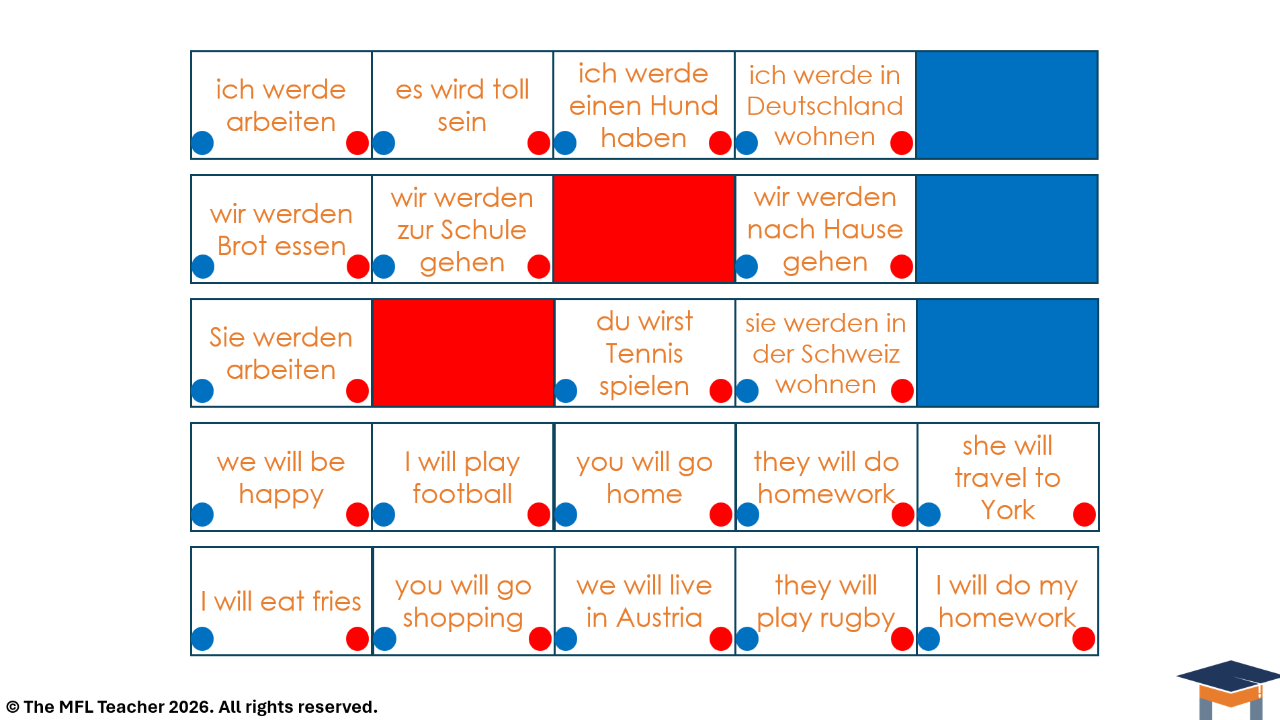
This ‘Connect 4’-style game practises the future tense in German. Full instructions are in the notes of the PowerPoint.
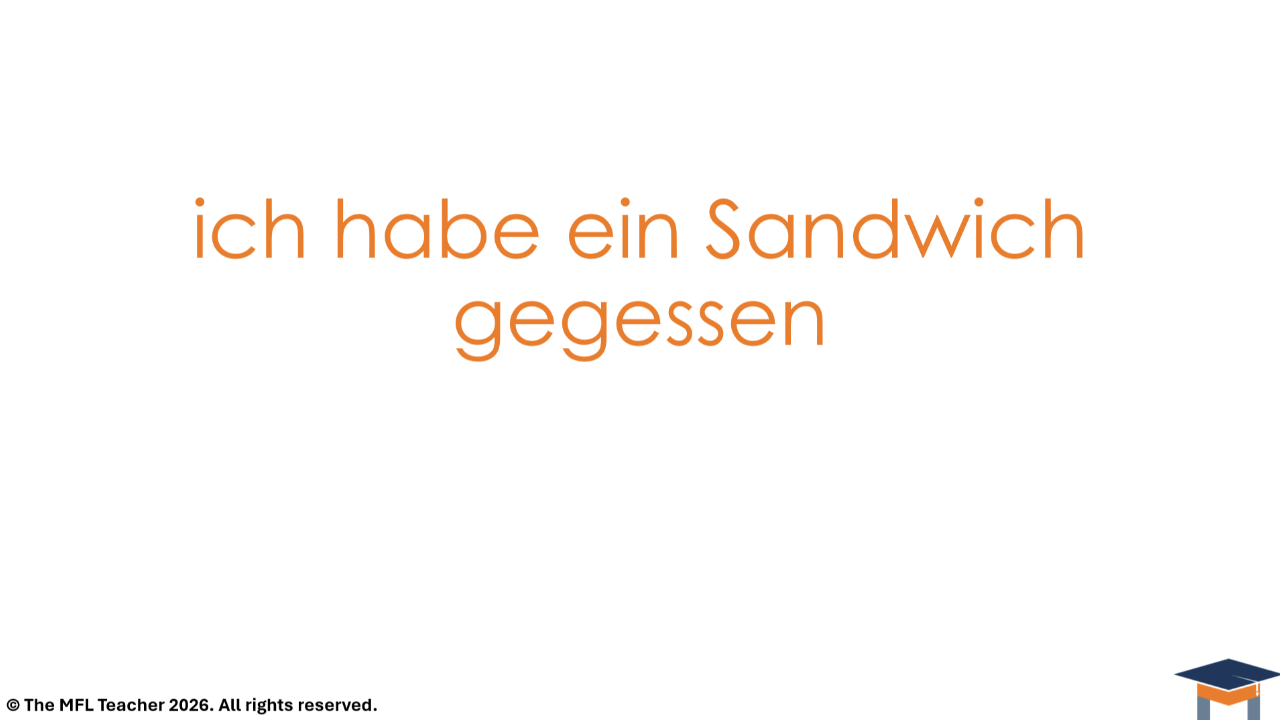
Pupils race to indicate whether the displayed phrases are in a past, present or future time frame. Phrases appear and disappear on a timer, so pupils need to be paying attention!
Get started today before this once in a lifetime opportunity expires.